Safety Instructions for Fish Tapes
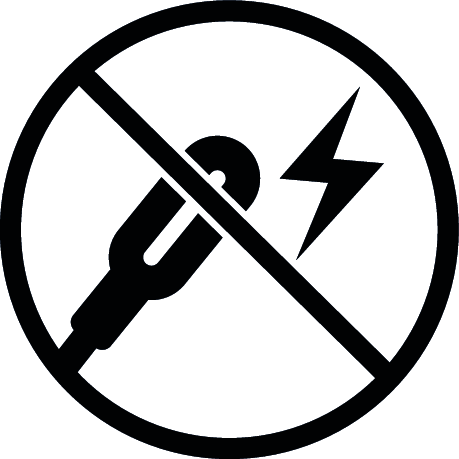
Do not use the power tool on live wires or energized conduits. Always use extreme caution when working near electrical equipment. When pulling through conduit that contains other wires, you must ensure that power to all existing wires has been turned off and disconnected before beginning work.
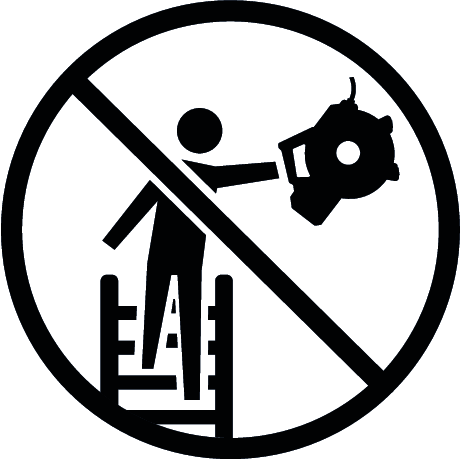
Do not use the power tool while standing on a ladder. Make sure you have a stable footing and balance when operating the tool. If the fish tape or cable snaps, you could fall or be injured.
- Keep hands clear of the gap between the conduit and the rotatable nozzle. This will help you avoid crush injuries.
- When positioning the power tool, especially at height, always properly stow the shoulder strap. Ensure it be away from feet, hands, and other potential snag points. This prevents entanglement with the shoulder strap and reduces the risk of injury.
- Do not use this power tool to lift heavy objects. Lifting operations may cause loads to fall and result in injuries.
- Do not use the power tool to lift objects, as the tape is not designed for this purpose. Doing so may cause the tool to fall, resulting in serious foot injury and tool damage.
- Hold the power tool firmly with both hands and make sure you have a stable footing. The power tool can be more securely guided with both hands.
- Do not direct the power tool at nearby persons during operation. The tape extending out of the power tool may cause injuries.
- Use the holders only to attach a shoulder strap. The holders for the shoulder strap do not act as fall protection.
- Do not push or pull the tape directly by hand during cable threading operations. Instead, maintain a secure grip on the tool. If a specific situation requires manually handling the tape, you must wear protective gloves to prevent injury.
- In case of damage and improper use of the battery, vapours may be emitted. The battery can set alight or explode. Ensure the area is well ventilated and seek medical attention should you experience any adverse effects. The vapours may irritate the respiratory system.
- Do not modify or open the battery. There is a risk of short-circuiting.
- The battery can be damaged by pointed objects such as nails or screwdrivers or by force applied externally. An internal short circuit may occur, causing the battery to burn, smoke, explode or overheat.
- Only use the battery in the manufacturer's products. This is the only way in which you can protect the battery against dangerous overload.
Protect the rechargeable battery against heat, e.g. including prolonged sun exposure, fire, water, and moisture. There is a risk of explosion and short circuit.